LITERARY CRITICISM & ESSAYS

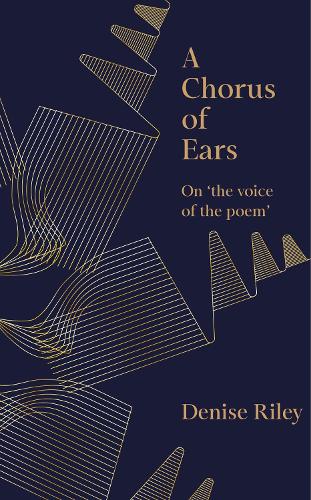
A Chorus of Ears
Denise Riley
A Chorus of Ears is a series of essays on voice, lyric and the persona of the poet from one of our greatest living English poets. Denise Riley contemplates how a poet's public persona can hold more significance than their actual poetry in the modern literary world. She reflects on how prize culture can transform criticism into a beauty contest, and limit our ability to meet the lyric on its own terms.
What might be discovered, Riley asks, if we liberate the poem from the person of the author? From where does its own voice spring? In allowing the poem to speak, what might we hear?
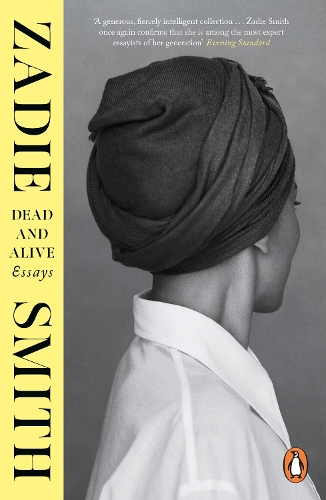
Dead and Alive
Zadie Smith
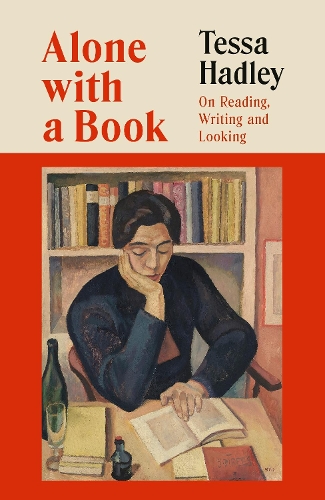
Alone with a Book
Tessa Hadley
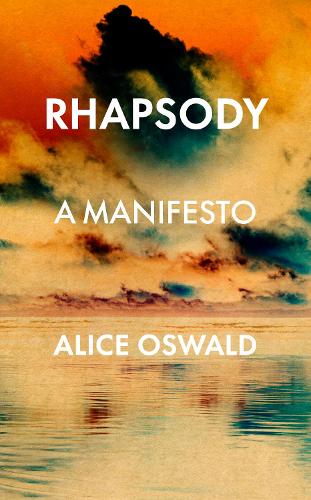
Rhapsody
Alice Oswald
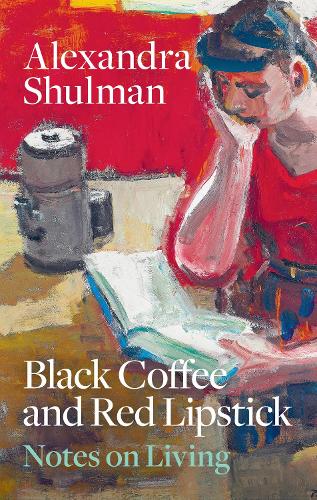
Black Coffee and Red Lipstick
Alexandra Shulman
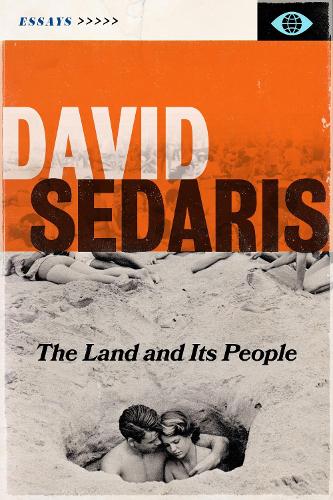
The Land and its People
David Sedaris
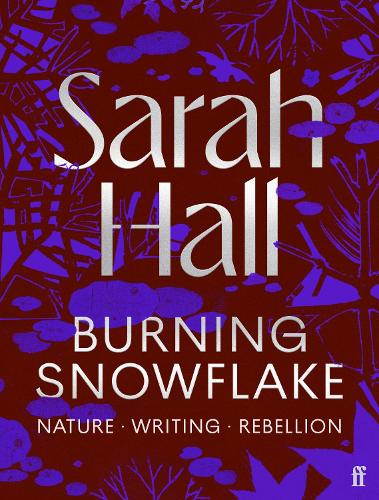
Burning Snowflake
Sarah Hall
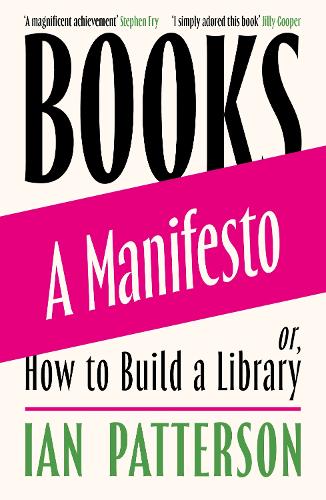
Books - A Manifesto
Ian Patterson
Listen to Me
Gertrude Stein
Masqueraders
Anthony V. Capildeo
Annie Ernaux: Writing, The Other Life
Annie Ernaux
Triage
Claudia Rankine

Ambivalence
Brian Dillon

Light and Thread
Han Kang
Too Little, Too Hard
Lucy Mercer and Livia Franchini

The Writing Life
Annie Dillard
Attention
Anne Enright

How to Lay an Egg with a Horse Inside
Brian Bilston
On Difficulty (and Poetry)
Lavinia Greenlaw
A Non-Euclidean View of California as A Cold Place to Be
Ursula K. Le Guin
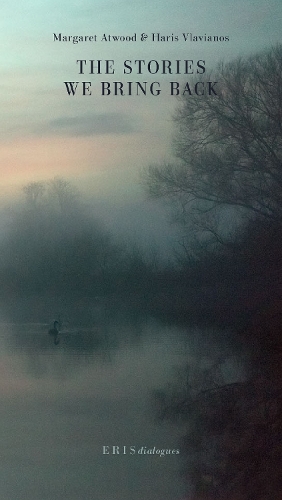
The Stories We Bring Back
Margaret Atwood
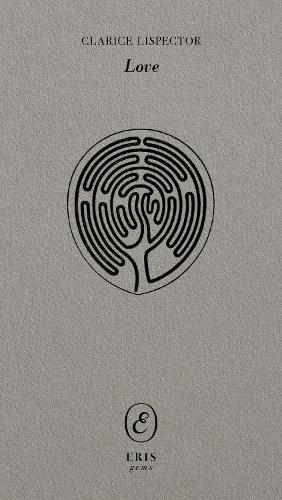
Love
Clarice Lispector
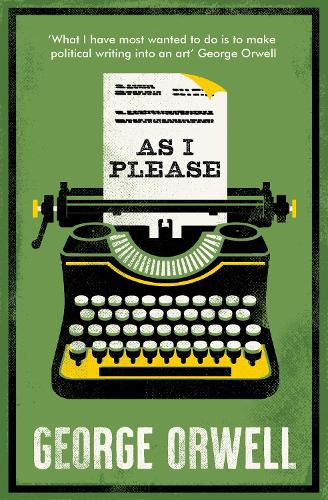
As I Please
George Orwell

Trip to the Moon
John Yorke
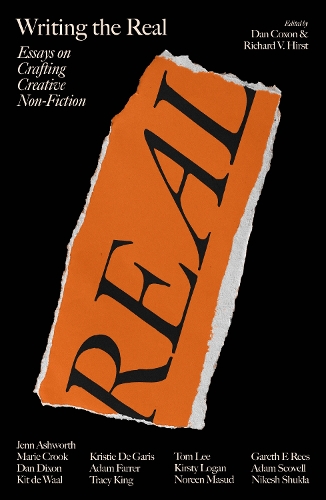
Writing the Real
Dan Coxon and Richard V. Hirst
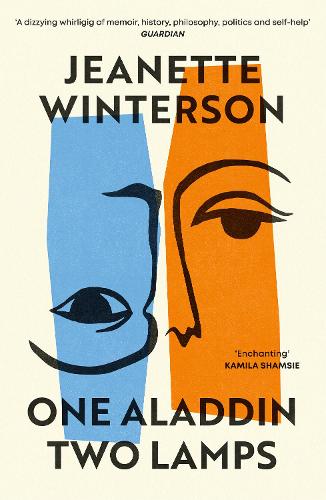
One Aladdin Two Lamps
Jeanette Winterson
A Chorus of Ears
Denise Riley
Alone with a Book
Tessa Hadley
In this rich and engaging collection of essays, Tessa Hadley reflects on a lifetime of reading with the clarity and perceptiveness that have made her one of our most widely loved contemporary writers. She charts her development as a lover of literature from a book-mad childhood shaped by libraries and imaginary worlds, through the long, uncertain years of writing and teaching, to the mature artistic vision that defines her work today.
Dead and Alive
Zadie Smith
Alone with a Book
Tessa Hadley
Rhapsody
Alice Oswald
Black Coffee and Red Lipstick
Alexandra Shulman
The Land and its People
David Sedaris
Burning Snowflake
Sarah Hall
Books - A Manifesto
Ian Patterson
Listen to Me
Gertrude Stein
Masqueraders
Anthony V. Capildeo
Annie Ernaux: Writing, The Other Life
Annie Ernaux
Triage
Claudia Rankine
Ambivalence
Brian Dillon
Light and Thread
Han Kang
Too Little, Too Hard
Lucy Mercer and Livia Franchini
The Writing Life
Annie Dillard
Attention
Anne Enright
How to Lay an Egg with a Horse Inside
Brian Bilston
On Difficulty (and Poetry)
Lavinia Greenlaw
A Non-Euclidean View of California as A Cold Place to Be
Ursula K. Le Guin
The Stories We Bring Back
Margaret Atwood
Love
Clarice Lispector
As I Please
George Orwell
Trip to the Moon
John Yorke
Writing the Real
Dan Coxon and Richard V. Hirst
One Aladdin Two Lamps
Jeanette Winterson
A Chorus of Ears
Denise Riley
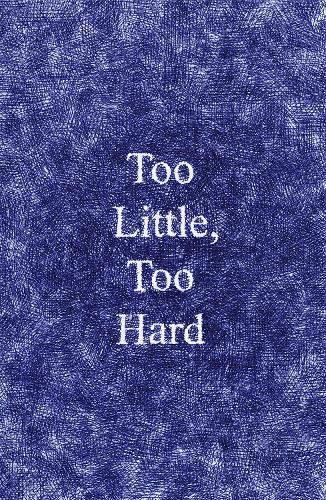
Too Little, Too Hard
Lucy Mercer and Livia Franchini
In recent years, countless arguments have been made for and against the enduring value of literature: reading improves mental health and offers refuge from the news cycle; the novel is dead, poetry obsolete, writers AI-replaceable. Too Little, Too Hard adds nuance to these discussions by asking professional writers what they actually think about literary value, and their underexplored working conditions.
In this wide-ranging collection of essays, fifteen of our most important writers reflect on their experiences of writing under – and against – capitalism. At once critical and hopeful, Too Little, Too Hard seeks to reckon with the material crises in the present state of literature, while proposing collective action as a way to secure a future in which a writing life becomes viable.

Which as You Know Means Violence
Philippa Snow

An Apartment on Uranus
Paul B. Preciado

Sleepless
Marie Darrieussecq

Regarding the Pain of Others
Susan Sontag

Orientalism
Edward W. Said

Bluets
Maggie Nelson

Shooting an Elephant
George Orwell

What Is Mine
José Henrique Bortoluci

The Gender of Sound
Anne Carson

Bookworm
Lucy Mangan

On Writing
Stephen King

Against Interpretation and Other Essays
Susan Sontag

Letters to a Young Poet
Rainer Maria Rilke

Sister Outsider
Audre Lorde

A Swim in a Pond in the Rain
George Saunders

A Guest at the Feast
Colm Tóibín

Space Crone
Ursula K. Le Guin

Bird by Bird
Anne Lamott

Steering the Craft
Ursula K. Le Guin

The Medium is the Massage
Marshall McLuhan

Portable Magic
Emma Smith

No Straight Road Takes You There
Rebecca Solnit

We're Falling Through Space
J. David Reed

A Room of One's Own
Virginia Woolf

Too Much of Life
Clarice Lispector

Blueberries
Ellena Savage

Artful
Ali Smith

Solutions for Writers
Sol Stein

The Perpetual Race of Achilles and the Tortoise
Jorge Luis Borges

Coventry
Rachel Cusk

Writing Down the Bones
Natalie Goldberg

Essayism
Brian Dillon

How NOT to Write a Novel
Howard Mittelmark and Sandra Newman

Little Weirds
Jenny Slate

Decline of the English Murder
George Orwell

Notes of a Native Son
James Baldwin

Devotion
Patti Smith

Affinities
Brian Dillon

The Long-Winded Lady
Maeve Brennan

A Horse at Night
Amina Cain

The Science of Storytelling
Will Storr

Illness as Metaphor and AIDS and Its Metaphors
Susan Sontag

Novelist as a Vocation
Haruki Murakami

Dysphoria Mundi
Paul B. Preciado

Trick Mirror
Jia Tolentino

Into The Woods
John Yorke

Intimations
Zadie Smith

On Writers and Writing
Margaret Atwood

Consider The Lobster
David Foster Wallace

Men Explain Things to Me
Rebecca Solnit

The Weird and the Eerie
Mark Fisher

Ordinary Notes
Christina Sharpe

Reading Lessons
Carol Atherton

Plotting and Writing Suspense Fiction
Patricia Highsmith

In Other Words
Jhumpa Lahiri

The Little Virtues
Natalia Ginzburg

Minor Monuments
Ian Maleney
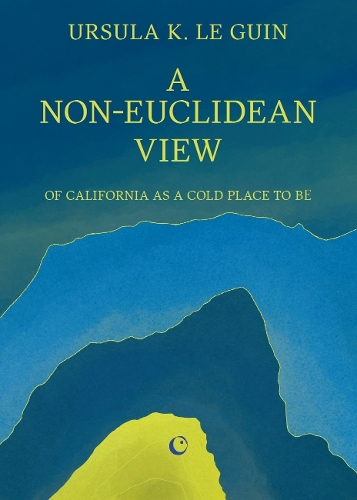
A Non-Euclidean View of California as A Cold Place to Be
Ursula K. Le Guin
In this refusal of futurity, Ursula K. Le Guin offers a counter-imaginary of place. She takes a non-linear journey through the stories we tell about progress and history, showing a way out of forward-oriented colonial modernity and its doctrine of technological utopias. Drawing upon Taoist philosophy and Indigenous storytelling, she advocates for anti-heroic alternatives to myths of endless growth.
Through Le Guin’s characteristically playful prose, A Non-Euclidean View of California as a Cold Place to Be shows that how we write is inseparable from how we imagine worlds, revealing the possibilities of living differently here and now.


